Comfort in every season
Vacuum insulation helps limit heat transfer through the glass for a more comfortable home.

Vacuum insulated glass for Australian homes and projects. Explore thermal insulation, acoustic options and a slim glazing profile, shaped around the way you live.
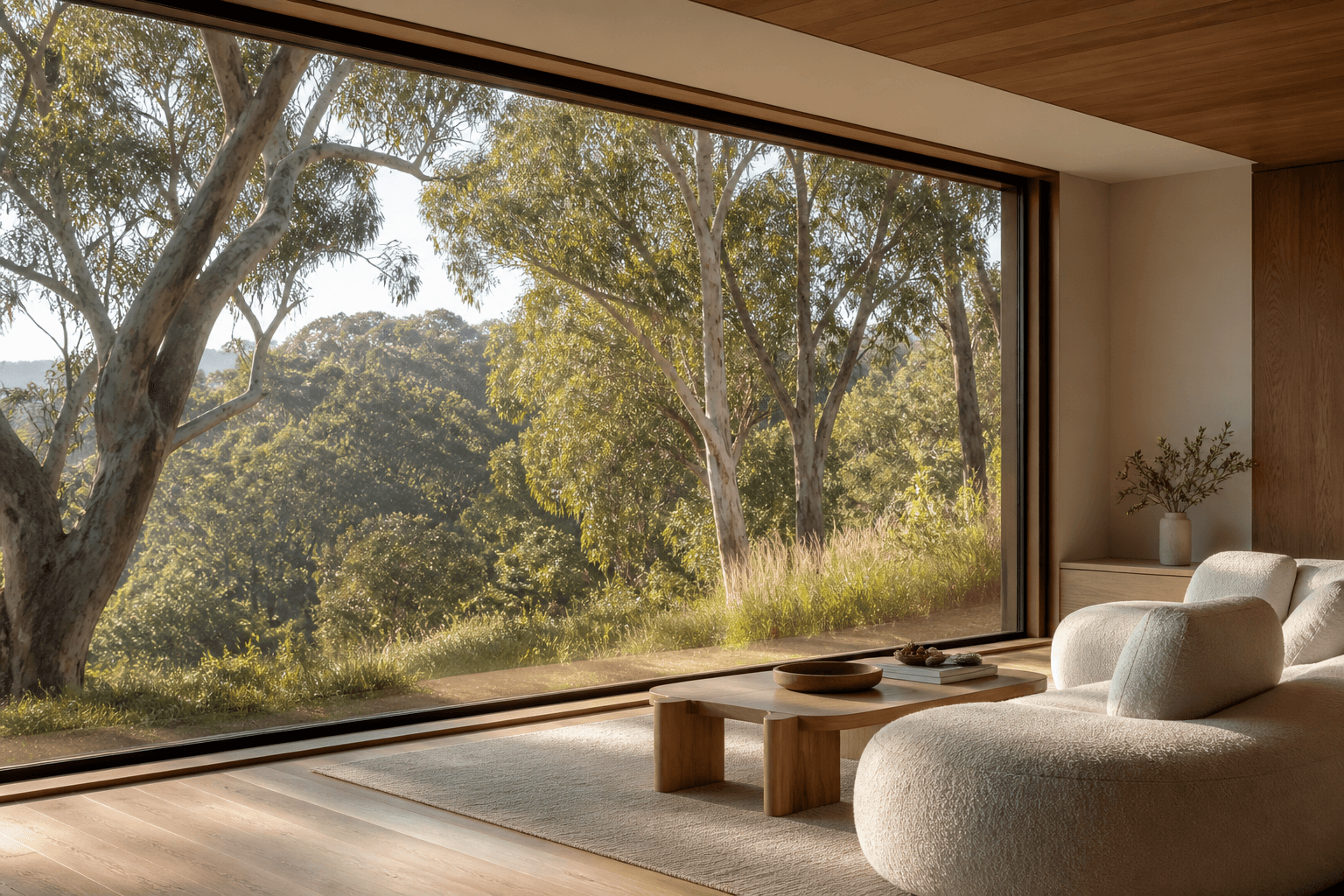 Illustrative architecture
Vacuum insulation helps limit heat transfer through the glass for a more comfortable home.
Explore glazing configurations designed to reduce unwanted outside noise and create quieter spaces.
A slim glazing profile creates options for heritage windows, existing frames and new projects.
Three ranges for window upgrades, comfort and demanding glazing briefs.
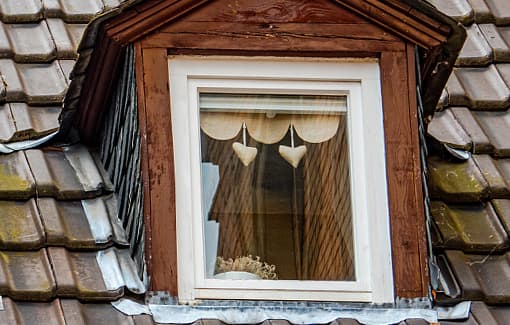
Preserve the character. Improve the comfort.
View range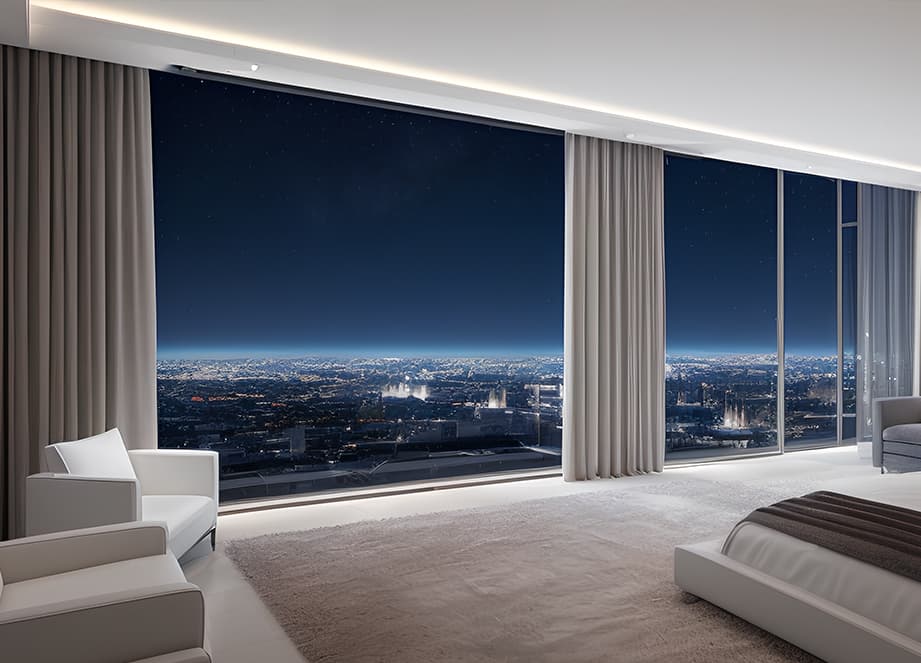
A more comfortable environment, by design.
View range
More possibilities for demanding projects.
View rangeA closer look
Vacuum insulated glass (VIG) uses a sealed vacuum cavity between panes of glass to reduce heat transfer. The very thin cavity allows strong thermal insulation within a slim glazing profile.
From existing timber windows to new homes and commercial projects, the right configuration depends on your frame, dimensions and priorities for thermal insulation, acoustics and solar control.
Why vacuum glassVacuum Glass Australia
VGA supplies LandVac vacuum insulated glass through BM Sydney. Our team works with homeowners, builders, architects and glazing professionals, from the first brief through product selection and supply enquiries.
Before you choose
Its slim profile can make VIG useful for existing timber and heritage windows. Suitability depends on the condition of the frame, available rebate, glass dimensions and installation requirements.
Conventional double glazing uses an air- or gas-filled cavity. VIG uses a vacuum cavity to reduce heat transfer in a slimmer profile. Compare the performance and construction of the actual units being considered.
Vacuum glazing can offer acoustic benefits. The result depends on the glass configuration, seals, frame and complete window system. Ask for the relevant acoustic test results for your project.
Share your location, plans or photographs, glass dimensions and frame details. Include your priorities for insulation, noise, solar control and appearance so the VGA team can discuss suitable options.
Share your plans, dimensions, frame details and performance priorities directly with the VGA team.